
Reporting
How to Report Concerns About a Child
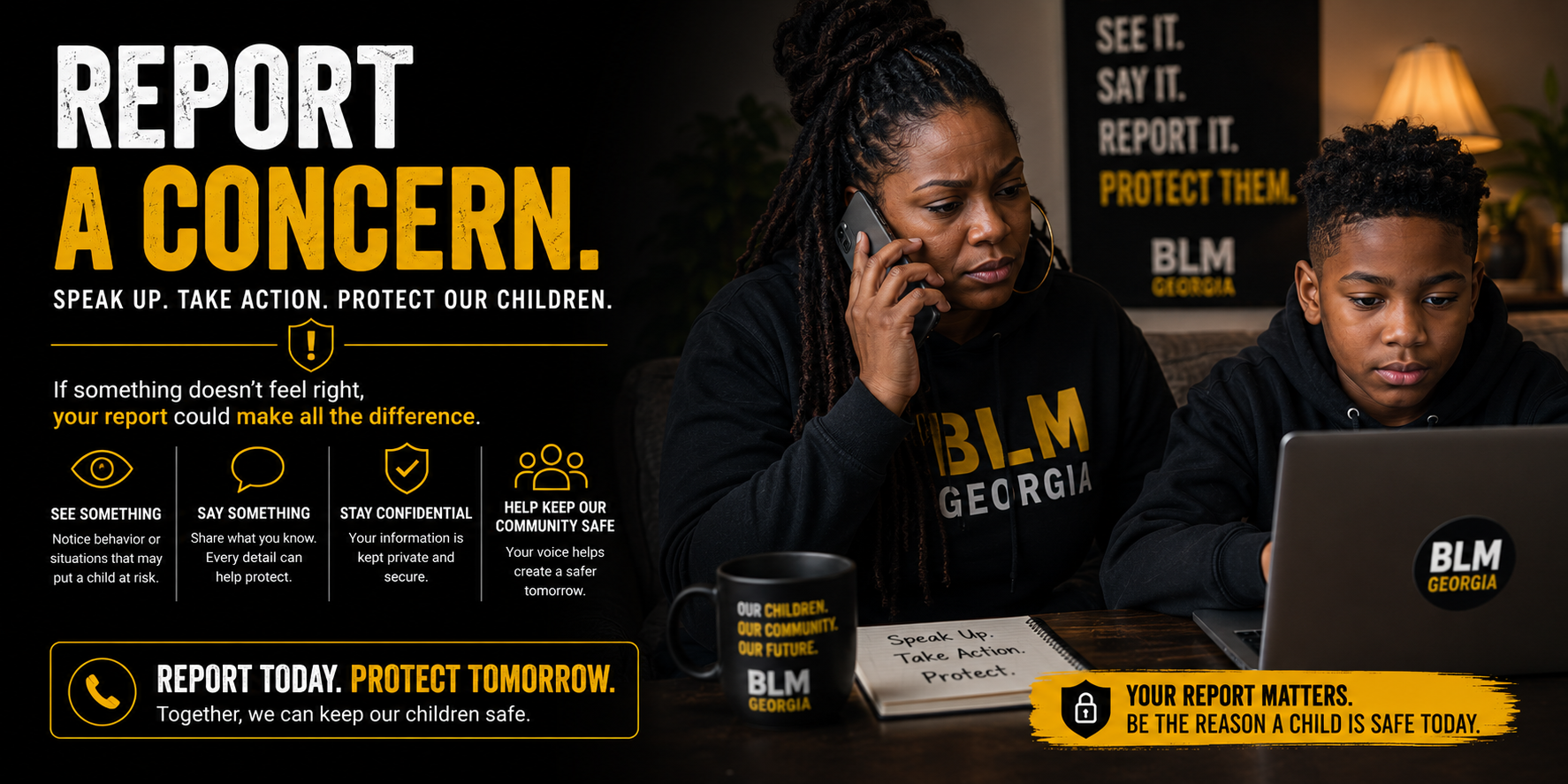
Most people who notice something say nothing, because they are not sure enough. You do not need to be sure. You do not need proof, and you are not expected to investigate. This page covers who to call and what happens after.
You do not need proof
A reasonable concern is enough. Trained investigators decide what it means — that is their job, not yours. Waiting until you are certain is how children stay in situations for years.
Who to Call
It depends on what you are seeing and how urgent it is.
A child is in danger right now — call 911
Immediate injury, a child left alone in unsafe conditions, or someone trying to take a child. Do not wait to be certain.
Ongoing abuse or neglect — your state child protective services
Every state runs its own hotline, and most take anonymous reports. Search for your state's name plus "child abuse hotline" to get the current number.
Something happening online — the platform, then police
Report inside the app first so the account is preserved, then file a report with your local police department.
Not sure it counts — call anyway and ask
Hotline staff take calls from people who are unsure all day. Describing what you saw and asking whether it is worth a report is a normal call to make.
What to Have Ready
Whatever you have is enough. Missing pieces do not stop a report.
The child's name and age, if you know them
Where the child is — address, school, or neighbourhood
What you actually saw or heard, and when
Whether it has happened more than once
Who else may be involved or present
Screenshots or usernames, for anything online
What Happens After You Call
Someone takes the details and screens the report. If it meets the threshold, a caseworker follows up. If it does not, the record still exists — and a second call from someone else later can be what changes the picture.
Most states allow anonymous reports, and people making a report in good faith are generally protected under state law even if the concern turns out to be unfounded. Rules vary by state, so ask the hotline how it works where you live.
You will usually not be told the outcome. That silence is confidentiality protecting the child, not a sign that nothing happened.
If a Child Told You Themselves
Believe them, and say so out loud. Do not press for details or ask them to repeat the story again and again — repeated questioning by an untrained adult can damage the case later. Write down what they said, in their words, as soon as you can.
Do not confront the person they named. That warns them, and it can put the child in more danger than they were in an hour ago.
Important Disclaimer
This page is for informational purposes only and is not legal advice. Reporting requirements vary by state. If you or someone you know is in immediate danger, call 911 or your local emergency number.